Electronic signatures in construction: the legal validity of electronic as-built documentation in 2026

The legal regulation of electronic document workflows in the construction industry is based on Federal Law No. 63-FZ, "On Electronic Signatures," and the Urban Planning Code of the Russian Federation. In 2026, legislation recognizes the legal validity of a qualified electronic signature (QES) when preparing as-built documentation, provided that a number of conditions are met.
Legal framework for electronic document workflows in construction
The legal regulation of electronic document workflows in the construction industry is based on Federal Law No. 63-FZ, "On Electronic Signatures," and the Urban Planning Code of the Russian Federation. In 2026, legislation recognizes the legal validity of a qualified electronic signature (QES) when preparing as-built documentation, provided that a number of conditions are met.
Types of electronic signatures and their use in PTO
There are three types of electronic signatures, each offering a different level of assurance:
- Simple electronic signature (SES): Does not require special infrastructure. In construction, it is used for internal communication but does not have legal validity when submitting documentation to the client.
- Enhanced unqualified electronic signature (EUES): Requires a certificate, but not necessarily one issued by an accredited certification authority. It can be used for contractual relations among construction project participants if the parties have an agreement in place.
- Qualified electronic signature (QES): Issued by an accredited certification authority. It gives documents the same legal significance as documents signed on paper. In most cases, it is a mandatory requirement for submitting as-built documentation.
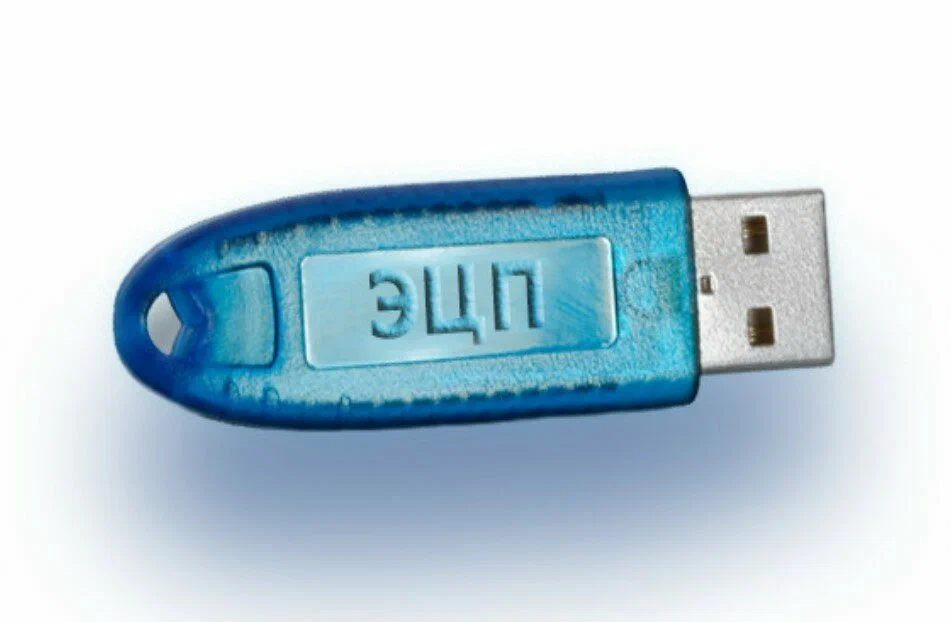
Requirements for electronic certificates and work logs
For an electronic certificate or work log to have legal validity during a construction supervision review, the following conditions must be met:
- Compliance with the required form: The electronic document must comply with approved forms, for example, KS-2, KS-3, or the work log form RD-11-02-95.
- A time stamp: Confirmation by a qualified certification authority of when the document was signed.
- Availability for verification: The client or construction supervision team must be able to verify the authenticity of the signature through the register of certification authorities.
- Client consent: In some cases, an agreement between the contractor and the client on using electronic document workflows is required.
Hybrid workflow: paper archive and electronic signature
At the current stage of the industry's development, a hybrid documentation workflow is common. The contractor prepares as-built documentation electronically, signs it with a qualified electronic signature, and sends it to the client through secure communication channels. If necessary, the client may request a paper copy bearing a handwritten signature; however, the electronic original remains the legally significant document.
Machine-readable XML format: implementation prospects
The Russian Ministry of Construction is initiating the transition of as-built documentation to a machine-readable XML format. This will make it possible to automate checks of as-built documentation packages, eliminate human error during document acceptance, and speed up document exchange among construction project participants. Specialized cloud-based PTO platforms, including PTO Online, are adapting to these requirements by providing data exports in formats that comply with government standards.
Conclusion
Electronic signatures in construction are no longer an experimental tool; they have become an established practice defined by regulation. When the requirements for qualified signatures and document formats are met, electronic as-built documentation has full legal validity. The transition to electronic signatures objectively reduces the time required to transfer documents among project participants and improves the transparency of construction supervision.
Talk to us about PTO document workflow
Leave your name and phone number. We will call you back and suggest a format for the discussion.